
NCCO® TECHNOLOGY
Advanced Air Purification Technology
Refined Purification. Pure Environments.
Zayron offers premium air purification systems designed for modern residential, hospitality, wellness, and professional environments. Our curated technologies focus on advanced airborne particle reduction, odor management, and environmental comfort through refined multi-stage purification systems.

Advanced Catalytic Air Purification
Nano-Confined Catalytic Oxidation (NCCO) is a cutting-edge solution that continuously decomposes airborne pollutants through a catalytic chamber.
By utilizing nano-technology, NCCO effectively breaks down harmful substances such as VOCs, formaldehyde, viruses, and bacteria into harmless molecules like carbon dioxide and water vapor — ensuring a constant flow of clean air.
Engineered for Continuous Air Purification

Continuous Catalytic Decomposition
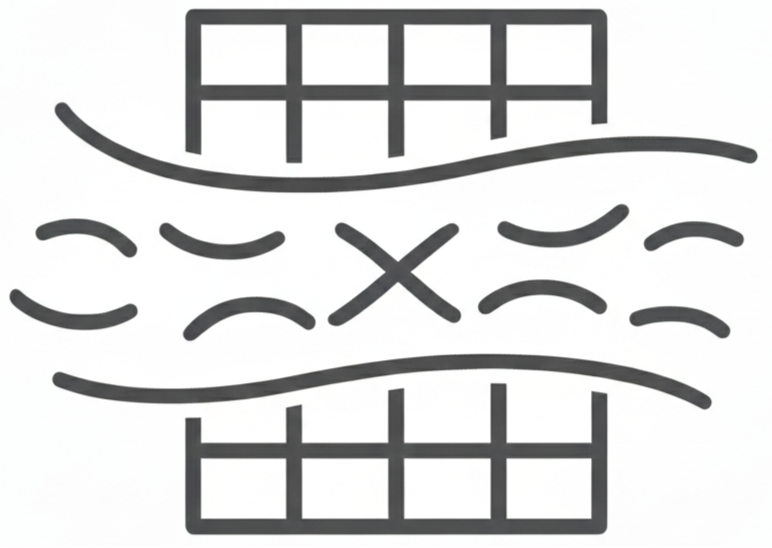
Pollutants are actively broken down at the molecular level not stored or asked ensuring long-term purification without saturation.
No Filter Saturation
Eliminates filter clogging and media
replacement cycles by decomposing
pollutants rather than storing them.

Stable Long-Term Performance
Maintains measurable purification efficiency
over extended operational lifespans
with minimal maintenance
TECHNOLOGY MECHANISM
Air passes through a staged system that removes particles, adds active oxygen, and uses catalysts to convert pollutants.
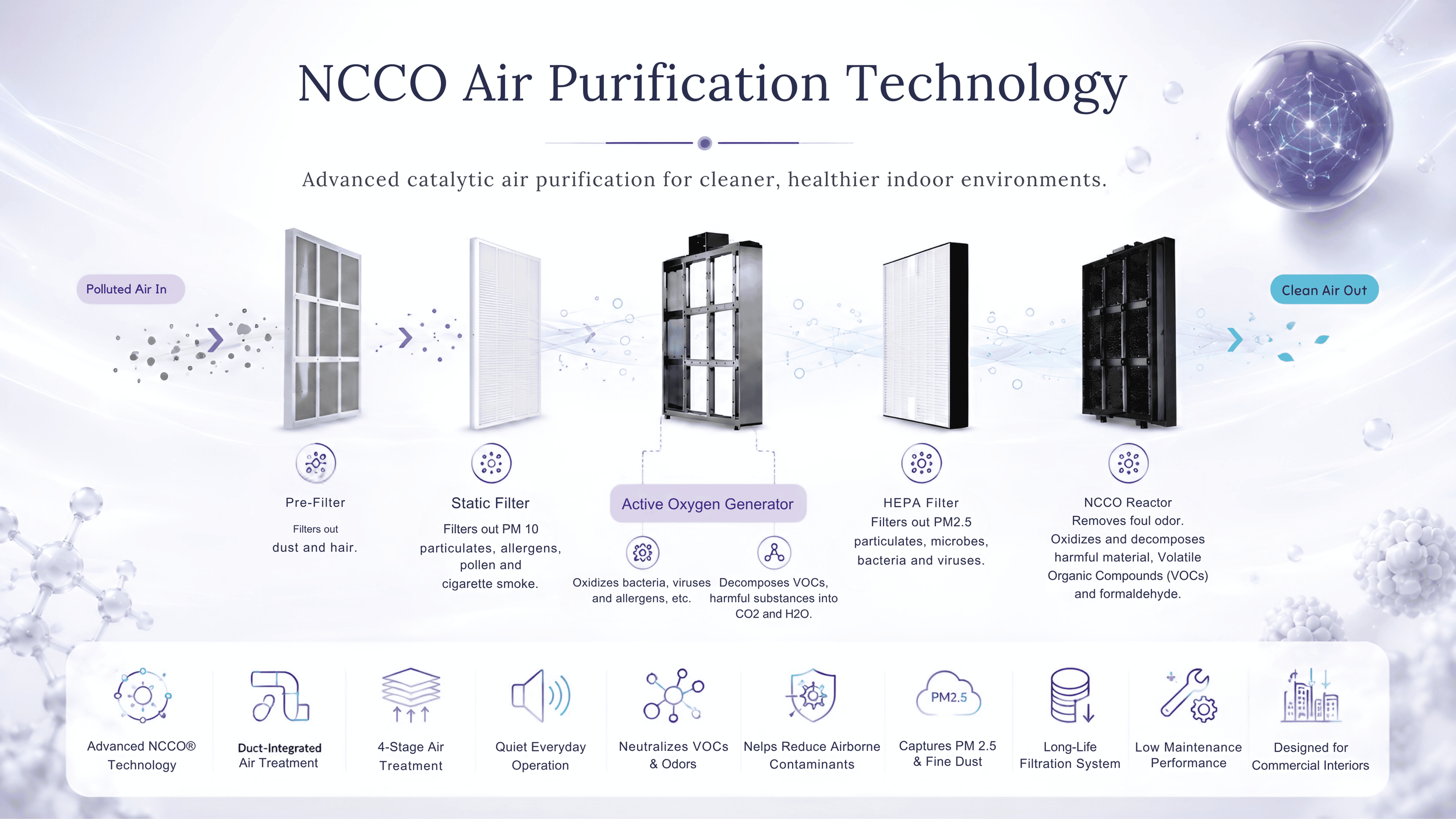
Nano-Confined Catalytic Oxidation (NCCO) uses a controlled catalytic layer to continuously break down airborne contaminants at the molecular level.
It combines an active oxygen source with a patented nano-confined layer of recyclable minerals and transition-metal catalysts. This setup adsorbs and oxidizes VOCs, formaldehyde, bacteria, viruses, and other gases.
Instead of trapping pollutants, NCCO chemically converts them into harmless water vapor and carbon dioxide, providing long-lasting purification without saturation.
Premium Air Purification Technology
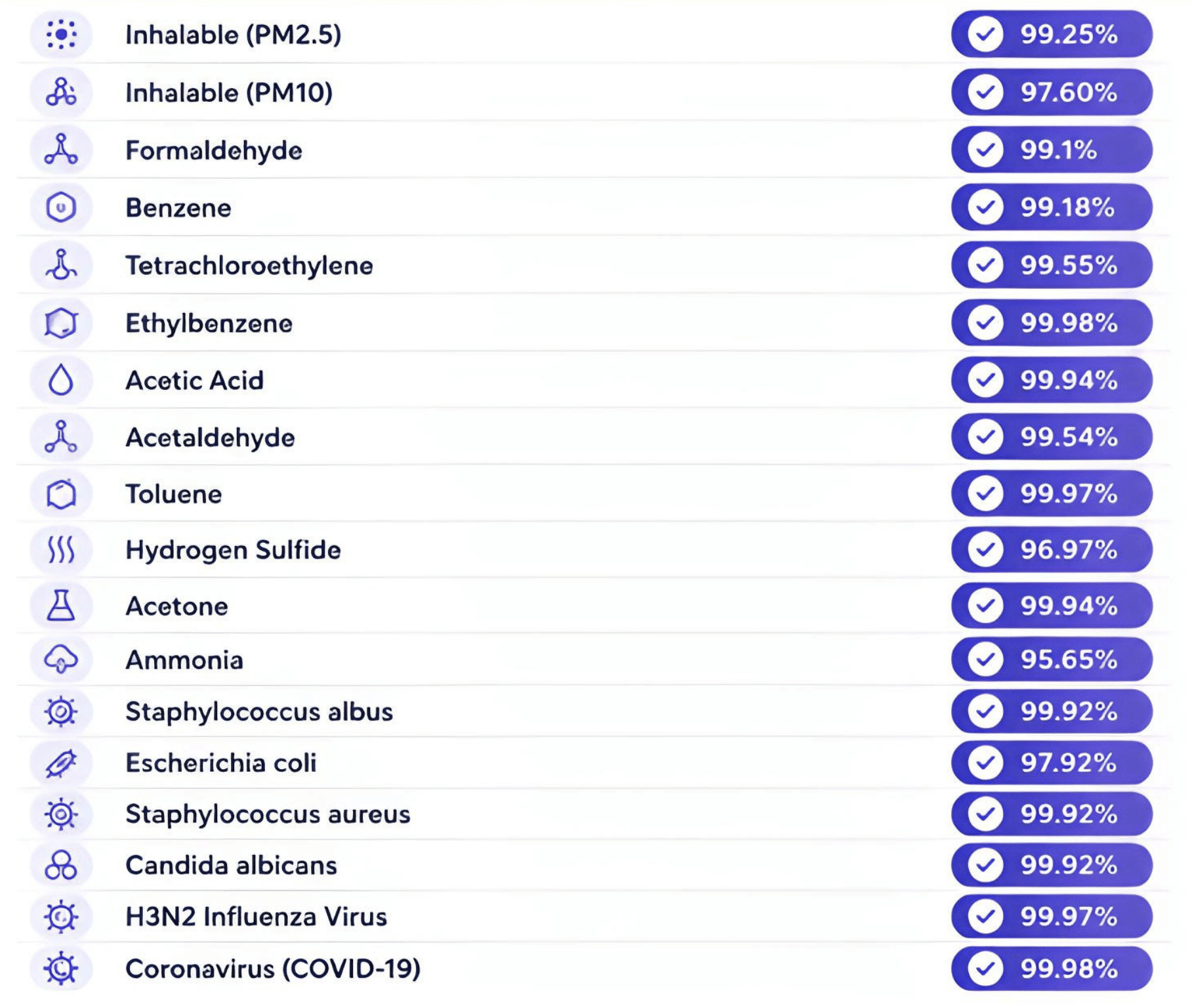
Breathe Cleaner Air with Proven Efficiency
Removes inhalable particles, harmful chemicals, bacteria, fungi, and viruses with consistently high efficiency.
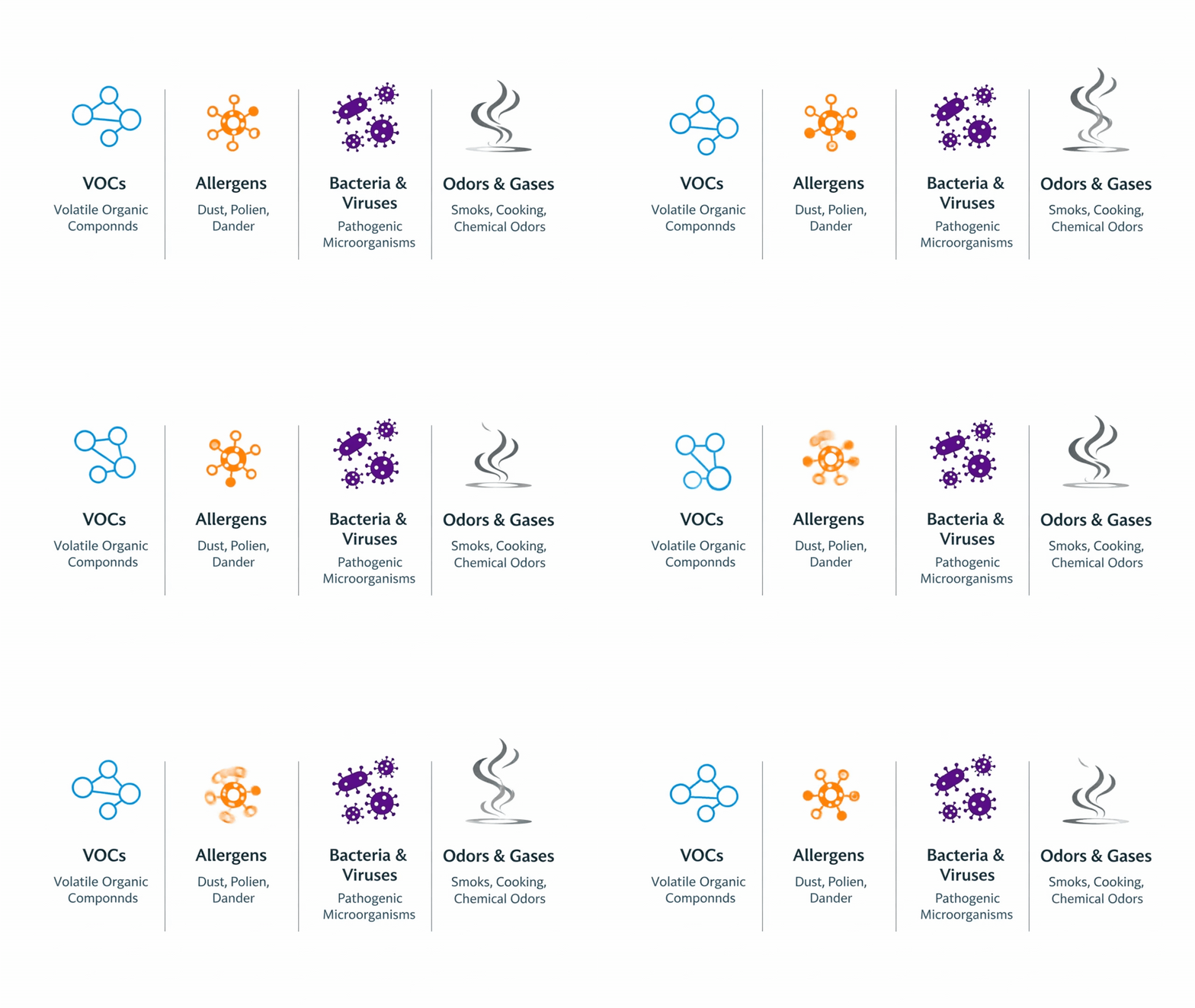
Modern Indoor Air Contains More Than You See
Indoor environments accumulate microscopic pollutants that influence comfort, cognition, and long-term air quality
HVAC Systems Move air, not purify it
Other Air Purifiers Trap pollutants, don't eliminate them
NCCO Technology Breaks down pollutants at a molecular level into harmless compounds
Engineered for Diverse Indoor Environments
Today, NCCO is used in 26+ countries, installed in over 200 medical institutions, and trusted by 500+ organizations worldwide.
Trusted Worldwide

Residential Spaces
For homes worldwide From apartments to contemporary living spaces Bedrooms, nurseries, and family rooms Engineered for everyday comfort. Designed for healthier indoor living.

Commercial Space
China - Sun Yat-sen University Hospital
Greece - Trikala Hospital
Thailand - Chulalongkorn Medical College
Hong Kong - Hospital Authority facilities
Global-200+ hospitals worldwide

Transportation & Infrastructure
Japan — Commercial & Industrial Applications
Hong Kong — International Airport
China — Public Hospitals & Transport Systems
Greece — Naval & Public Hospitals
Thailand — Medical Universities & Facilities

Healthcare & Clinical Settings
Hong Kong — HSBC buildings & data centers
Japan — Yamasa industrial applications
USA / Global brands — Oregon Scientific deployments
Multiple countries — Offices & commercial buildings worldwide
SCIENTIFIC VALIDATION
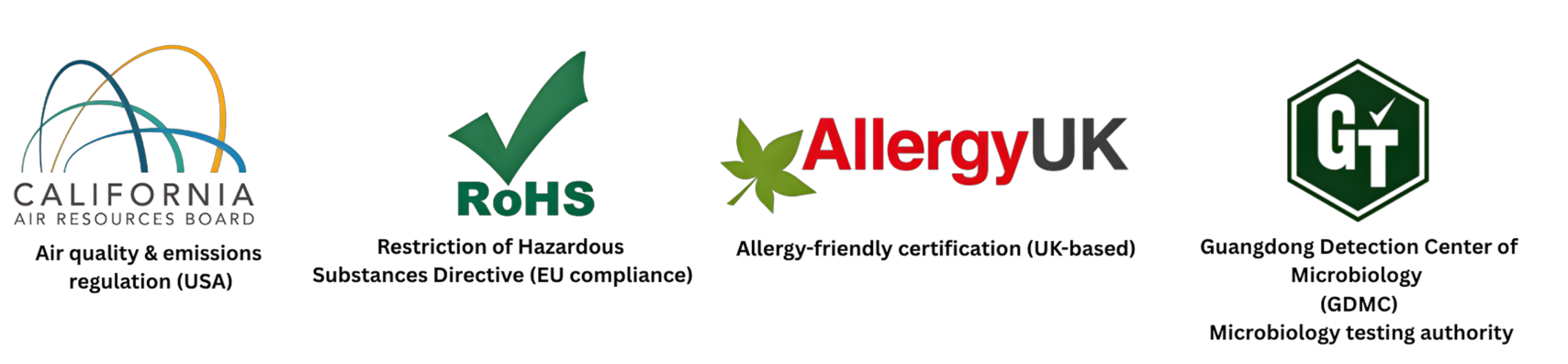
NCCO air treatment technology supported by globally recognized certification and demonstrated through real-world application.
Compliant with international standards including FDA and CE, NCCO meets rigorous requirements for safety and performance.
Trusted across hospitals, transportation systems, commercial environments, and modern homes worldwide, NCCO establishes a new benchmark for sustainable and effective air treatment.
Technology goes beyond innovation

ACADEMIC FOUNDATION
Rooted in top-tier research and innovation from Dr. Ezra Kwok of UBC, NCCO technology is trusted by leading academic and scientific bodies worldwide